
A slip on a wet grocery store floor, a trip over a cracked sidewalk, a fall down a poorly lit stairwell — these everyday accidents happen constantly across the United States. When they result in injuries, the legal framework that may allow the injured person to seek compensation is known as a slip and fall claim. It is one of the most common types of personal injury claims in the country, and also one of the most misunderstood.
This guide explains, in plain English, what a slip and fall claim actually is, who it covers, where it doesn’t apply, and which assumptions about these cases tend to be wrong. If you’ve recently been hurt in a fall on someone else’s property — or you’re simply trying to understand your rights before anything happens — this is your starting point.
What a Slip and Fall Claim Actually Is
A slip and fall claim is a legal claim brought by a person who was injured because of a dangerous condition on someone else’s property. The core idea is simple: property owners and occupiers have a responsibility to keep their premises reasonably safe for visitors, and when they fail in that responsibility, they can be held accountable for the harm that follows.
The phrase “slip and fall” is shorthand. In practice, these claims cover more than literal slipping. They include trip-and-fall cases (catching your foot on an uneven surface), step-and-fall cases (falls caused by broken stairs or unexpected drops), and even cases where a person is hurt by falling objects or collapsing structures on a property. Lawyers and courts usually group all of these under the umbrella of premises liability — the area of law that deals with injuries caused by unsafe property conditions.
To bring a claim, the injured person (or their attorney) generally needs to show that the property owner knew or should have known about the dangerous condition, failed to fix it or warn about it, and that this failure caused the injury. This framework — duty, breach, causation, and damages — is the same backbone used in most negligence cases, but applying it to a fall on someone’s property has its own quirks. We walk through the full framework in our guide on how to prove negligence in a slip and fall case.
How It Differs From a General Personal Injury Claim
Not every injury is a slip and fall claim. A car accident, a dog bite, or a defective product injury all fall under personal injury law, but they follow different rules and different theories of fault. A slip and fall claim is specifically tied to property: the dangerous condition must be connected to premises that someone owns, leases, or controls.
This distinction matters because premises liability has features that other injury claims don’t. For example, the level of care a property owner owes you can depend on why you were on the property — whether you were a customer, a social guest, or someone who wasn’t supposed to be there at all. That concept, called the duty of care, shapes the entire claim. In a car accident case, by contrast, every driver generally owes every other person the same duty to drive carefully.
Another difference is how fault is investigated. Slip and fall cases lean heavily on evidence about the property itself: maintenance logs, inspection records, surveillance footage, and the physical condition of the hazard. The question isn’t just “who made a mistake in the moment” but “was this property kept in a reasonably safe condition over time.”
Who a Slip and Fall Claim Covers
A slip and fall claim can potentially cover anyone who is lawfully on a property and gets hurt because of an unsafe condition. That includes a wide range of everyday situations:
- Customers and shoppers — people in stores, malls, restaurants, hotels, and entertainment venues. A spilled drink in a grocery aisle, a loose rug in a hotel lobby, or an icy patch in a store parking lot can all give rise to claims.
- Tenants and their guests — people living in apartments or rental homes who are hurt by hazards in common areas like hallways, stairwells, laundry rooms, or parking areas, or even inside their own unit when the landlord is responsible for the condition.
- Visitors to public or government property — people using parks, sidewalks, public buildings, or transit facilities. Claims against government entities are possible but usually come with special notice requirements and shorter deadlines, so they need prompt attention.
- Workers and delivery people — employees, contractors, and delivery drivers who are injured by hazardous conditions at a site they visit for work. Falls at work can overlap with workers’ compensation, which is a separate system with its own rules — we cover that overlap in our article on slips and falls at work.
- Children — who may bring claims through a parent or guardian, and who sometimes receive extra protection under the law because property owners are expected to anticipate that children may not recognize dangers.
The common thread is lawful presence plus an unsafe condition the property holder should have addressed. If both are present, a claim may be viable regardless of whether the property is a business, a rental, or a home.
When a Fall Does NOT Give You a Valid Claim
Just as important as knowing what counts is knowing what doesn’t. Not every fall leads to a claim, and misunderstanding this is one of the biggest sources of frustration for injured people.
Open and obvious hazards. If the danger was so clear that a reasonable person would have seen and avoided it, the property owner may argue they had no duty to warn about it. A bright orange cone sitting next to a spill, or a clearly marked construction zone, can weaken a claim — though it doesn’t automatically defeat one.
Hazards the owner didn’t know about and couldn’t reasonably have discovered. If a customer drops a grape on a supermarket floor seconds before the next shopper slips, the store may not have had a realistic chance to find and clean it. Owners are generally judged on whether they had notice of the condition — actual or constructive — not on perfection.
Trespassing. People who enter property without permission have far fewer protections. In most states, an owner owes a trespasser only a limited duty, such as not setting intentional traps. There are exceptions for children attracted to dangerous features, but in general, unlawful presence sharply limits a claim.
Your own inattention as the sole cause. If the property was reasonably safe and the fall happened purely because the person wasn’t looking where they were going, was wearing wildly inappropriate footwear for the conditions, or was intoxicated, a claim is unlikely to succeed. That said, shared fault doesn’t always end a case — many states allow recovery to be reduced rather than eliminated when both sides share blame.
Common Misconceptions About Slip and Fall Claims
Myths about these cases are everywhere. Let’s clear up the most persistent ones.
“If I fell on their property, they automatically have to pay”
This is the single most common misunderstanding. A fall alone proves nothing — the claim requires showing the owner was at fault. Millions of falls happen every year without any valid claim attached, because the property was reasonably maintained and the accident was simply an accident.
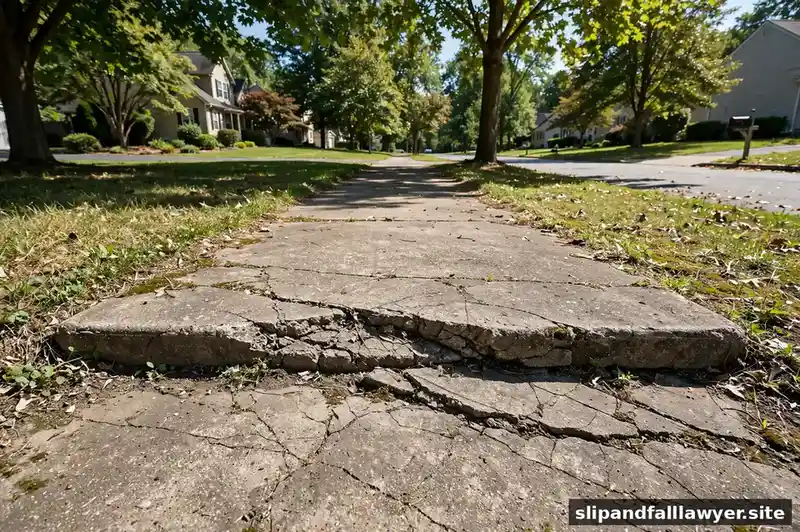
“Slip and fall cases are frivolous lawsuits”
The stereotype of the exaggerated claim gets a lot of attention, but the reality is that fall injuries can be genuinely severe. The CDC notes that falls are a leading cause of injury-related emergency department visits in the United States (cdc.gov/falls). Hip fractures, traumatic brain injuries, and spinal injuries from falls can lead to long recoveries, lost income, and lasting disability. A claim seeking compensation for those real losses is not frivolous — it’s the system working as designed.
“These cases settle quickly for easy money”
Some do resolve in months, but many take a year or more. Insurers investigate these claims aggressively: they request maintenance records, review video, interview witnesses, and often argue the victim was partly at fault. Patience and documentation matter far more than speed.
“You need a dramatic injury to have a claim”
Broken bones make a claim more straightforward to value, but soft-tissue injuries, sprains, and concussions can also support claims when they’re properly documented. What matters is medical evidence linking the injury to the fall, not how dramatic the injury looks. Our guide to common slip and fall injuries covers the full range.
“Without a witness, there’s no case”
Witnesses help, but they aren’t required. Surveillance footage, incident reports, photos of the hazard, maintenance logs, and medical records can all carry a claim. Many successful claims are built almost entirely on documentary evidence.
The Basic Ingredients of a Claim
Strip away the legal jargon and every slip and fall claim asks four questions:
- Did the property owner owe you a duty of care? Usually yes, if you were lawfully on the property — though the strength of that duty varies.
- Did they breach it? Was there a dangerous condition they knew about (or should have known about) and failed to fix or warn about?
- Did the breach cause your injury? The fall and the resulting harm must be linked to the condition, not to something unrelated.
- Did you suffer actual damages? Medical bills, lost wages, pain, or other real losses that compensation can address.
If the answer to all four is yes, you likely have the foundation of a claim. Each of these elements has its own traps and nuances, which is why we’ve devoted a full article to proving negligence in a slip and fall case.

What Happens First When a Claim Is Filed
Most slip and fall claims never see a courtroom. The typical path looks like this: the injured person (often through an attorney) notifies the property owner’s insurance company of the claim, the insurer investigates, and the two sides negotiate. Many cases settle at this stage.
If negotiations stall, the next step is filing a lawsuit — but even then, settlement remains likely. Trials are expensive and unpredictable for both sides, so insurers often prefer to resolve cases before a jury gets involved. That said, being prepared to go to trial is usually what gives a claimant leverage in negotiations.
One thing to take seriously from day one: deadlines. Every state sets a time limit for filing a personal injury lawsuit, and claims against government entities often have much shorter notice periods. These limits vary widely and change over time, so checking the current law in your state — ideally with an attorney — is one of the most important early steps.
Do You Need an Attorney?
For minor falls with no real injury — a bruise, a scare, nothing more — you probably don’t. But when injuries require medical treatment, keep you from working, or involve disputed facts, professional guidance usually pays for itself. Most personal injury attorneys offer free consultations and work on contingency, meaning they only get paid if the claim succeeds.
An attorney’s real value in these cases is investigative: knowing which records to demand, how to preserve surveillance footage before it’s deleted, and how to push back when an insurer blames you for the fall. If your case involves a government entity, a landlord-tenant dispute, or a workplace overlap, that guidance becomes even more important.
Disclaimer: This article is general information, not legal advice. Laws vary by state — consult a licensed attorney about your situation.
A slip and fall claim, at its heart, is about accountability for unsafe property. Now that you understand what these claims are — and what they aren’t — the next step is learning exactly what property owners are required to do. Start with our explainer on the duty of care in premises liability, then move on to the four elements of negligence that make or break a case.